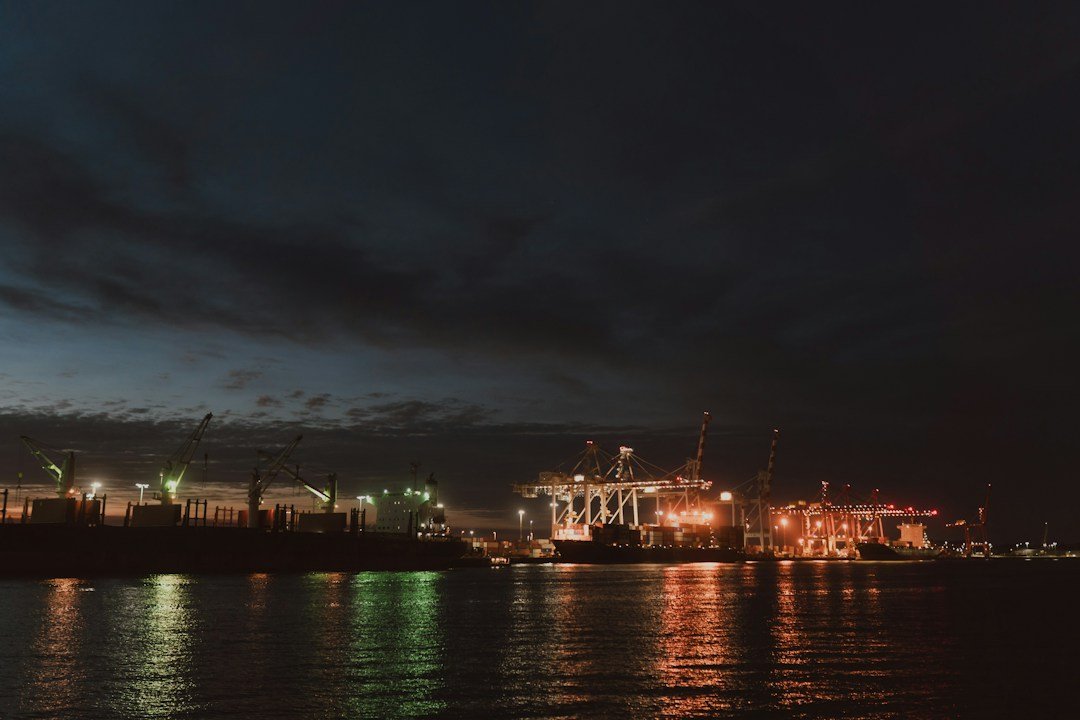
Gwadar’s biggest headlines this month have been about tax breaks at the free zone, a shift in Chinese investment strategy, and a proposed sister-port arrangement with Oman. Underneath all three sits a far more basic constraint: Gwadar itself has never been reliably wired into Pakistan’s own power grid. For most of its history as the country’s flagship port city, the lights in Gwadar have stayed on largely because of a neighbouring country, not because of its own.
That neighbour is Iran, barely 70 kilometres from Gwadar across the border. The arrangement traces back to 2004, when frustration over chronic blackouts boiled over, Pakistan’s water and power utility (Wapda) effectively withdrew from supplying the town, and Iranian electricity filled the gap. Islamabad has talked about connecting Gwadar to the national grid for years, including a target date of 2023 that has since slipped without a firm replacement, according to Dawn’s reporting on the city’s recurring power shortages.
A Supply Line That Keeps Getting Interrupted
Over the past decade, Gwadar’s reliance on Iranian power has deepened rather than faded. Pakistan has layered on a series of agreements, including a 100-megawatt supply arrangement and a further addition agreed in 2023, covering not just Gwadar but the nearby towns of Turbat and Panjgur as well. The dependence cuts both ways: when Iran has suspended supply, as reported in 2018 and again in 2023, Gwadar and the surrounding coastal districts have gone dark with it, leaving businesses and residents to absorb the cost of a grid they don’t control.
The arrangement was formalised again on August 7, 2026, when Pakistani and Iranian officials met for a session of the Pakistan-Iran Joint Commission in Tehran. According to The Express Tribune’s report on the meeting, the two sides agreed to build a second cross-border transmission line and to expand the existing 100MW supply deal, with Pakistani institutions including CPPA-G, the Quetta Electric Supply Company and the National Grid Company taking part. Federal Minister for Power Sardar Awais Ahmad Khan Leghari said electricity imports from Iran “will remain an integral part of long-term energy planning and may increase as Gwadar’s demand continues to grow” – an acknowledgment that, for now, Islamabad is planning around the dependency rather than eliminating it.
Why So Little Power Actually Arrives
Even when supply holds, getting electricity to Gwadar is an inefficient business. Dawn’s reporting puts the city’s own demand at roughly 25 to 30 megawatts, a modest figure by national standards, but transmission losses over the long, sparsely populated route eat deeply into whatever is sent: of every 100 units of electricity dispatched toward the city, as little as 40 are said to actually arrive. Bill recovery compounds the problem, with only an estimated 20 to 25 percent of delivered power actually paid for, leaving little revenue to justify further grid investment in a market that, on paper, loses money on every unit sold.
US sanctions on dealings with Iran add a further complication, making long-term supply contracts harder to structure even when both governments want to expand them. Geography works against Gwadar too: running power the comparatively short 70 kilometres from Iran is still cheaper than drawing it from Karachi or the rest of the national grid, hundreds of kilometres away across difficult terrain – the same logic that drove Wapda to step back in 2004 and that still shapes the city’s options two decades on.
Solar Panels and a Substation at Pasni
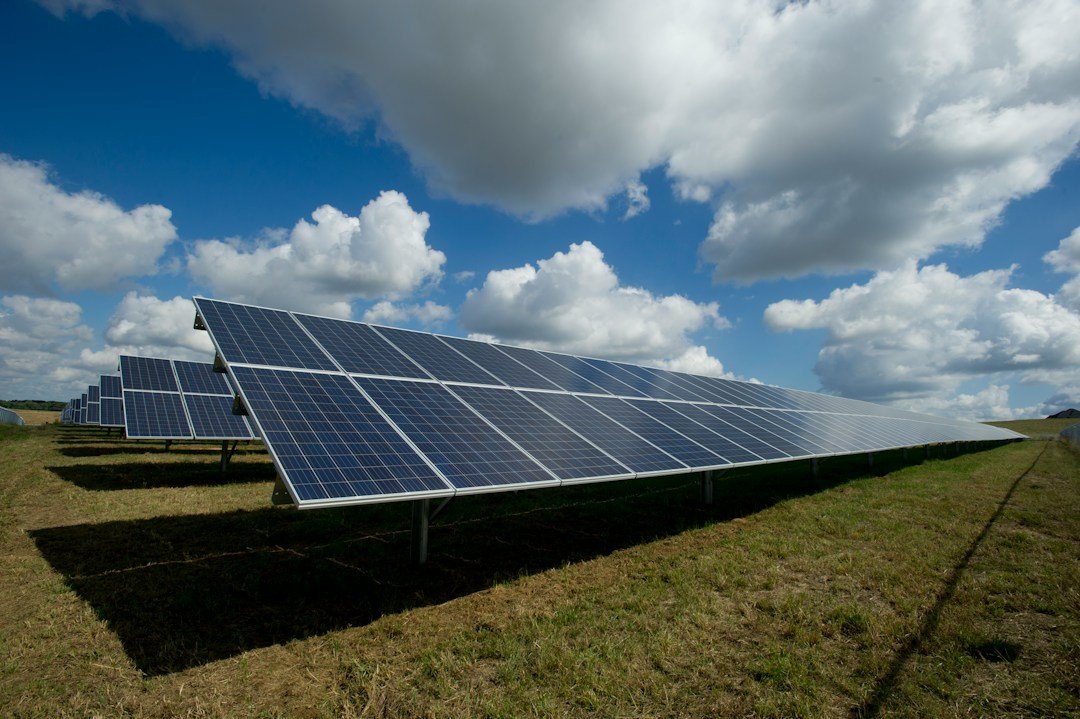
The fix Islamabad has settled on for now is not a full grid connection but a patchwork of local generation and efficiency upgrades. A Prime Minister’s Committee chaired by Planning Minister Ahsan Iqbal approved a package of measures for Gwadar last December, including a Rs 1.9 billion solarisation programme for the pumping stations and desalination plants that keep the city’s water supply running, projected to pay for itself in about 2.7 years. Alongside it, the government approved a ±50 MVAR STATCOM – a static compensator that stabilises voltage on a weak grid – for the nearby town of Pasni, along with a local 132kV generation facility, both targeted for completion between October and December this year.
That window is now. Whether the Pasni STATCOM and its accompanying generation plant land on schedule this quarter will be an early test of whether the government’s smaller, faster fixes can outpace the national grid connection that has been promised, and delayed, for years. Iqbal told the committee that “stable and affordable electricity is essential not only for residents but for the success of ongoing and future development projects in Gwadar” – language that points past streetlights and water pumps to the industrial tenants Islamabad is still trying to recruit.
The Bill Investors Will Eventually See
That last point is where Gwadar’s power problem stops being a municipal headache and starts being an investment one. Our recent look at CPEC 2.0’s shift toward industrial investment found that factory operators and free zone tenants now ask about reliable power and water before they ask about tax breaks or land prices. The free zone’s own tax incentives and its multi-billion-dollar LNG terminal pitch will mean little to an investor doing diligence on operating costs if the honest answer to “how many hours of power a day” is still uncertain. A Gwadar Development Authority review of the city’s civic infrastructure touched on water supply upgrades without giving details on capacity – a reminder that power and water in Gwadar remain two sides of the same unresolved question, not separate problems.
For a city built around a port, a free zone and a growing list of foreign investment pledges, the basic test keeps circling back to something unglamorous: whether the lights, and the pumps, stay on. On that count, Gwadar is still waiting on a grid of its own, running for now on borrowed power from across a border, with a handful of local fixes due, on paper, by the end of this year.