
After years in which Pakistan’s newest and most expensive airport sat largely idle, scheduled commercial flights have returned to the New Gwadar International Airport (NGIA) — but on a timetable set to run out this month. South Air Pakistan, a newly certified domestic carrier, began twice-weekly service between Karachi and Gwadar in July, with one of the two routes continuing on to Quetta. The airline’s published schedule covers only July 9 through October 31, 2026, leaving open the question of what happens to Gwadar’s air links once the current booking window closes in roughly three weeks.
A Rs55 Billion Airport That Mostly Sat Empty
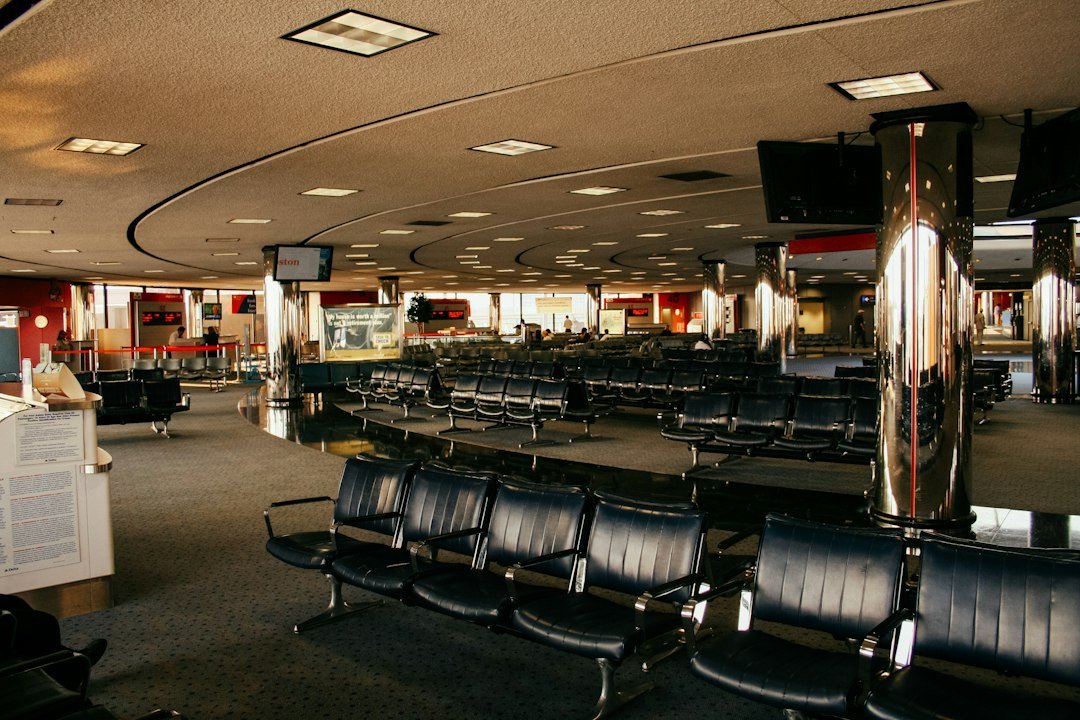
NGIA has long been one of the more visible symbols of stalled promise in Gwadar’s push to become a functioning connectivity hub rather than just a headline project. Built years ago as one of Pakistan’s largest airports by land area, with Chinese grant assistance, the terminal spent long stretches with no airline running a public schedule through it at all. As one Pakistani industry outlet put it bluntly in a 2025 headline, the country’s “most expensive airport” was “getting no flights and passengers.” For much of that period, the only scheduled connection to the rest of Pakistan was a single weekly Karachi–Gwadar flight.
Several carriers — Fly Jinnah, Air Sial, Airblue and Serene Air among them — had at various points applied to operate routes into NGIA, drawn partly by incentives built into the airport itself, including exemptions from landing, parking and housing charges meant to get airlines through the door. None of that turned into a standing public schedule until this year.
South Air’s Twice-Weekly Service Runs Out October 31
The turning point came when South Air Pakistan, a new entrant to the domestic market, received its Air Operator Certificate from the Civil Aviation Authority in June 2026, with support from the Ministry of Defence during certification. The airline’s first flight into Gwadar under the new push landed in late July with 54 passengers on board, operated with the ATR-type turboprop aircraft suited to a runway and passenger volume like Gwadar’s.
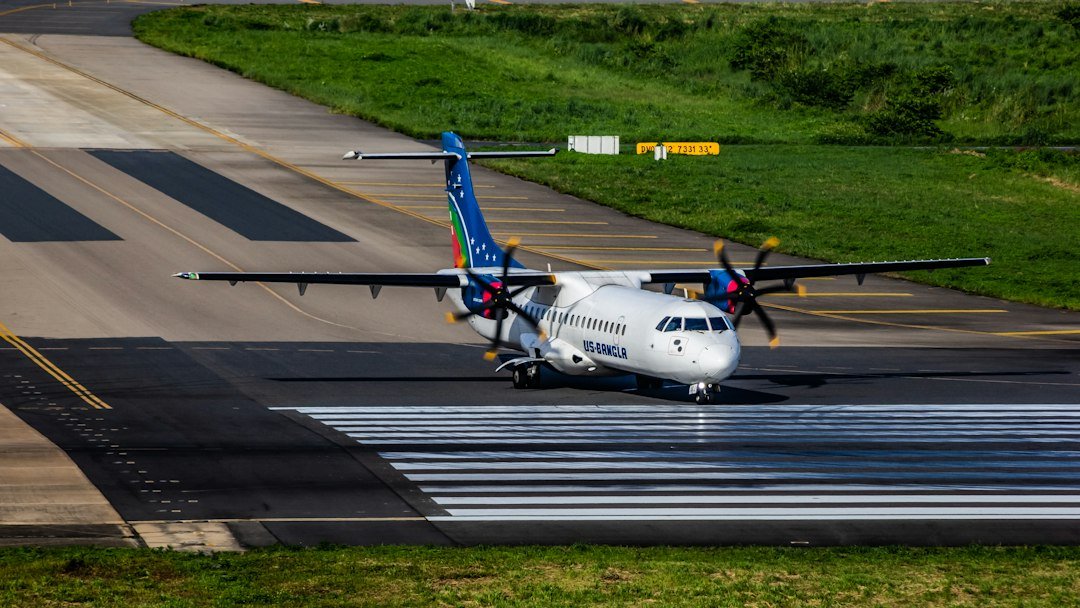
South Air’s published timetable, which began July 9 and runs only through October 31, offers two weekly rotations:
- Thursdays: Flight Z8-922 leaves Karachi at 4:40 p.m. and lands in Gwadar at 6:10 p.m.; the return, Z8-923, departs Gwadar at 6:40 p.m. and reaches Karachi at 8:10 p.m.
- Saturdays: Flight Z8-909 leaves Karachi at 7:00 a.m., calls at Gwadar at 8:30 a.m., and continues on to Quetta by 10:40 a.m.; the return, Z8-910, leaves Quetta at 11:10 a.m., stops in Gwadar at 1:10 p.m., and lands back in Karachi by 3:10 p.m.
South Air’s station manager in Gwadar, Muhammad Saleem, said the flights would “further improve travel convenience for passengers in Gwadar and strengthen the city’s air connectivity.” The airline has separately restored service to Bahawalpur after a three-year gap and relaunched routes to Turbat, Islamabad and Quetta as part of a wider network rebuild — Gwadar is one piece of a broader expansion rather than a standalone commitment to the city.
With roughly three weeks left on the current timetable, neither South Air nor the airport administration has publicly said whether the Thursday and Saturday flights will be extended, rebooked onto a longer-term schedule, or allowed to lapse once October ends.
Where This Year’s Development Money Is Going
The uncertainty over flight continuity sits awkwardly against the money still flowing into the airport itself. NGIA’s total project cost is recorded at Rs54.98 billion; federal accounting shows Rs2.34 billion of that was utilised in the current 2025-26 fiscal year alone, on top of the more than Rs42 billion already spent on construction in prior years. The airport is one of 22 Gwadar-specific schemes carrying a combined cost of Rs184.2 billion under this year’s Public Sector Development Programme, which has allocated Rs16.79 billion for Gwadar overall in 2025-26 and disbursed Rs5.36 billion of that so far.
Other line items in that same allocation include:
- Gwadar–Ratodero Road (M-8): Rs32.89 billion spent cumulatively, with Rs592 million utilised this year
- Gwadar Safe City Project: Rs2.48 billion, fully utilised at Rs1.02 billion for the current year’s tranche
- Gwadar Development Authority business plan: Rs25 billion allocated, Rs75 million utilised this year
- Gwadar–Besima–Jacobabad rail connectivity: Rs15.59 billion total cost, with just Rs3 million spent so far
Part of a Bigger National Push
Gwadar’s airport spending is not an isolated line item. The Pakistan Airports Authority (PAA), marking two years since its creation, received more than Rs69 billion in federal development funding for 2026-27 — a 110 percent increase over the previous year — as it modernises security systems, installs e-gates and new air traffic management tools, and presses ahead with a Rs10 billion Karachi runway reconstruction, a Rs43 billion Lahore airport expansion and a Rs70 billion Skardu airport project. The PAA says it now manages 26 operational airports serving more than 22 million passengers a year, a scale against which Gwadar’s twice-a-week service is a small but closely watched test case. The spending also arrives alongside a broader shift in how Beijing and Islamabad are framing cooperation in the region, described in CPEC 2.0’s pivot toward investment-driven projects.
What Comes After October 31?
For Gwadar, the test ahead is less about the airport’s physical readiness — which by most accounts has been in place for a while — and more about whether a commercial route this thin can be kept flying once a certification-linked launch window closes. The city’s deeper economic bets, including the tax incentives built into the Gwadar Free Zone, assume reliable air links for the officials, workers and investors who need to move in and out of the city. Whether South Air extends its Thursday and Saturday rotations past October 31, or another carrier steps in to fill the gap, will be an early and fairly clear signal of whether this year’s spending on NGIA is translating into actual use, rather than more infrastructure sitting idle between flights.
Sources: The Nation, ARY News, Associated Press of Pakistan, The Express Tribune, and Gwadar Pro.