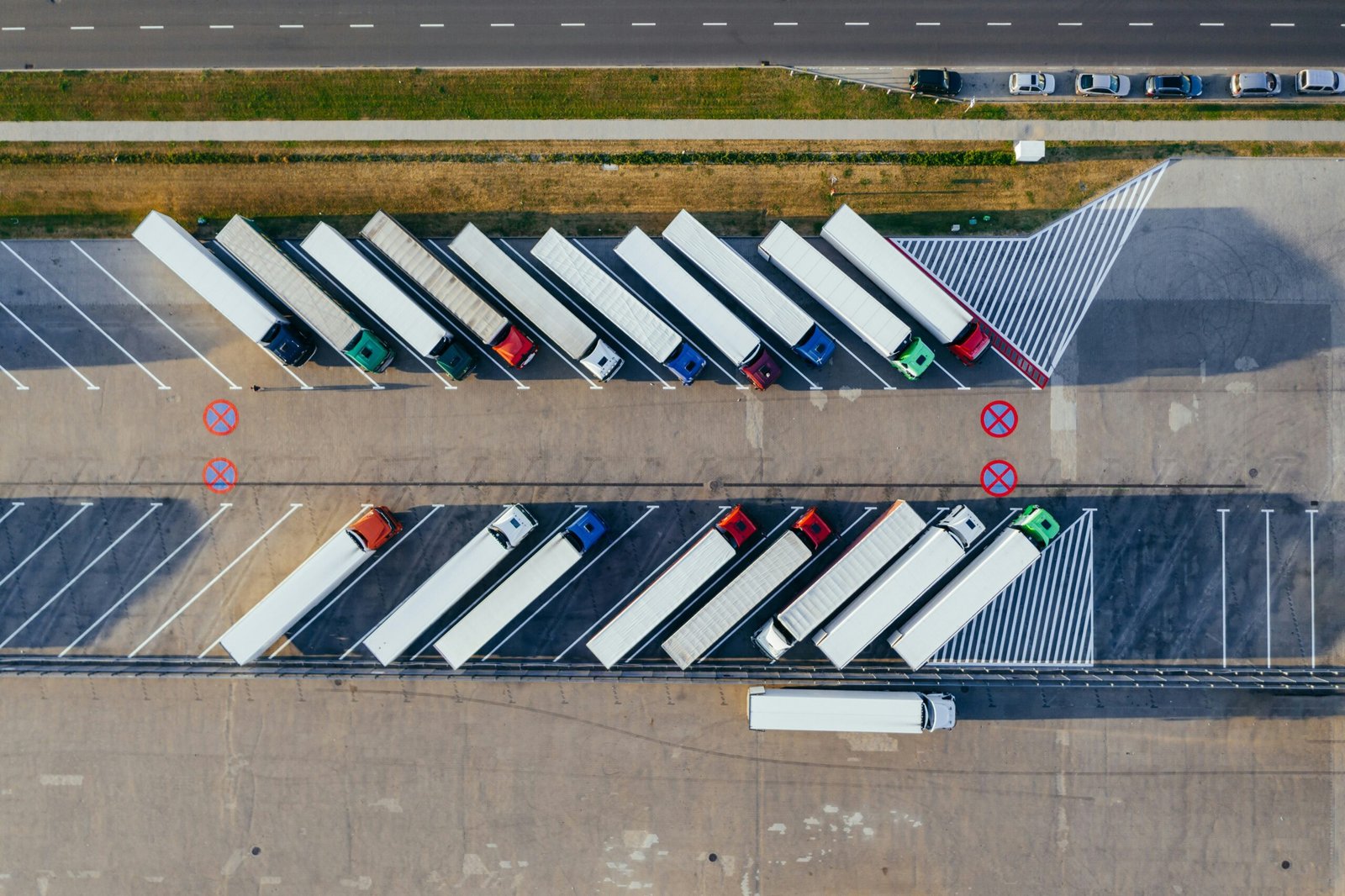
Gwadar Port Authority (GPA) and Pakistan Customs have agreed to convene a multi-stakeholder meeting next Thursday to iron out operational problems that continue to slow cargo transit to Iran through the Gabd-Rimdan border crossing — a corridor that, on paper, has already been cleared for faster, cheaper trade through two rounds of government directives this year. The agreement came out of a meeting on Wednesday between GPA Chairman Noorul Haq Baloch and Customs Transit Trade Director General Irfan Javed, according to a report in Dawn.
A Meeting Months in the Making
Officials say the bottlenecks have persisted even though the Ministry of Commerce and the Federal Board of Revenue have both issued directives meant to streamline transit trade through Gabd-Rimdan, the overland crossing roughly 70 kilometres from Gwadar that links Balochistan to Iran. Wednesday’s meeting between Baloch and Javed was called specifically to finalise an action plan ahead of next Thursday’s broader session, which will bring in additional stakeholders from customs, trade bodies and the transport sector to work through the cargo-movement problems directly.
In a separate engagement the same week, Baloch also met Karachi Port Trust Chairman, retired Rear Admiral Shahid Ahmed, to discuss broader connectivity and maritime growth between Pakistan’s two major ports — a sign that Gwadar’s transit troubles are being worked on alongside, not instead of, its wider ambitions as a deep-sea port.
Why the Gabd-Rimdan Corridor Matters
The crossing at the centre of this dispute is not a minor side route. Pakistan’s Directorate General of Transit Trade activated Gabd-Rimdan as a dedicated corridor to Central Asia earlier this year, sending its first export shipment — a truckload of frozen beef — through the crossing toward Tashkent, Uzbekistan, in April. The International Road Transport Union in Geneva has recognised Gabd-Rimdan, alongside Taftan, Sost and Gwadar itself, as an authorised crossing point for international road transit, giving Iran and Central Asian states an overland link to both Gwadar and Karachi ports.
The timing is not incidental. Pakistan has been pushing alternative trade routes to Central Asia since border closures with Afghanistan disrupted traffic through that route, and Gwadar’s planners have long argued the port’s proximity to Iran gives it a shorter, more direct path to markets that would otherwise move through the connectivity role Gwadar has struggled to fill over the past decade.
Tariff Cuts Were Supposed to Fix This
This is not the government’s first attempt to unclog trade through Gwadar this year. Federal Maritime Affairs Minister Junaid Anwar Chaudhry announced in May that container ship berthing fees at Gwadar Port would be cut by 25 percent, port charges on international transshipment containers by 40 percent, and charges on transit container cargo by up to 31 percent, with a full month of free cargo storage added on top of the standard five days offered elsewhere. GPA Chairman Baloch said at the time the new structure was meant to create jobs and draw in local and international investors, tying the relief directly to Gwadar’s push to compete as a transshipment hub for the Middle East, Central Asia and East Africa.
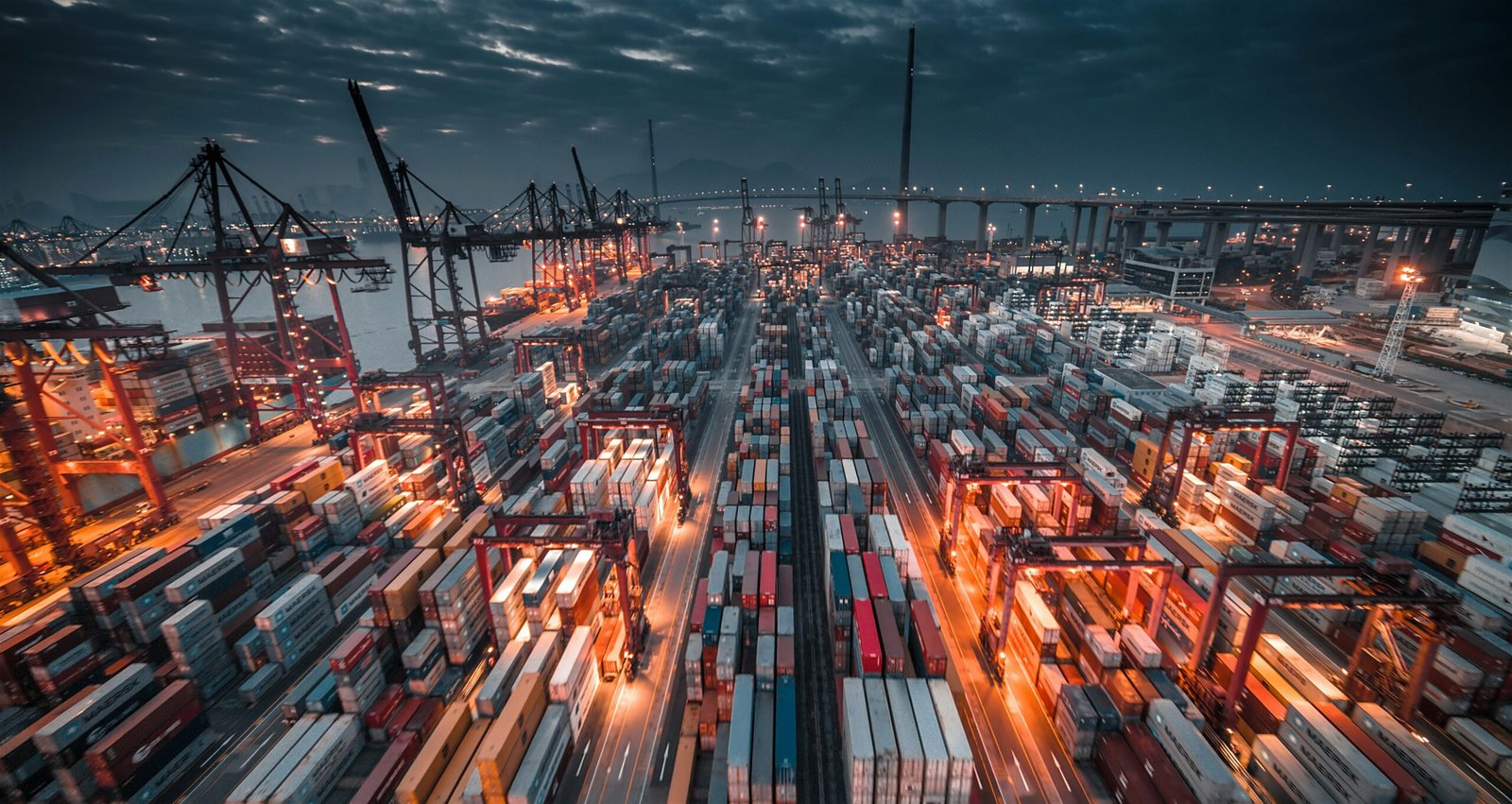
Those cuts sit alongside the broader investment case GwadarPost has covered in recent weeks, including the tax incentives built into the Gwadar Free Zone and CPEC 2.0’s pivot toward investment-driven projects. Lower port charges mean little to a shipper if the overland leg into Iran still bogs down in paperwork and delay — which is precisely the gap this week’s meetings are meant to close.
When the Dispute Went Public
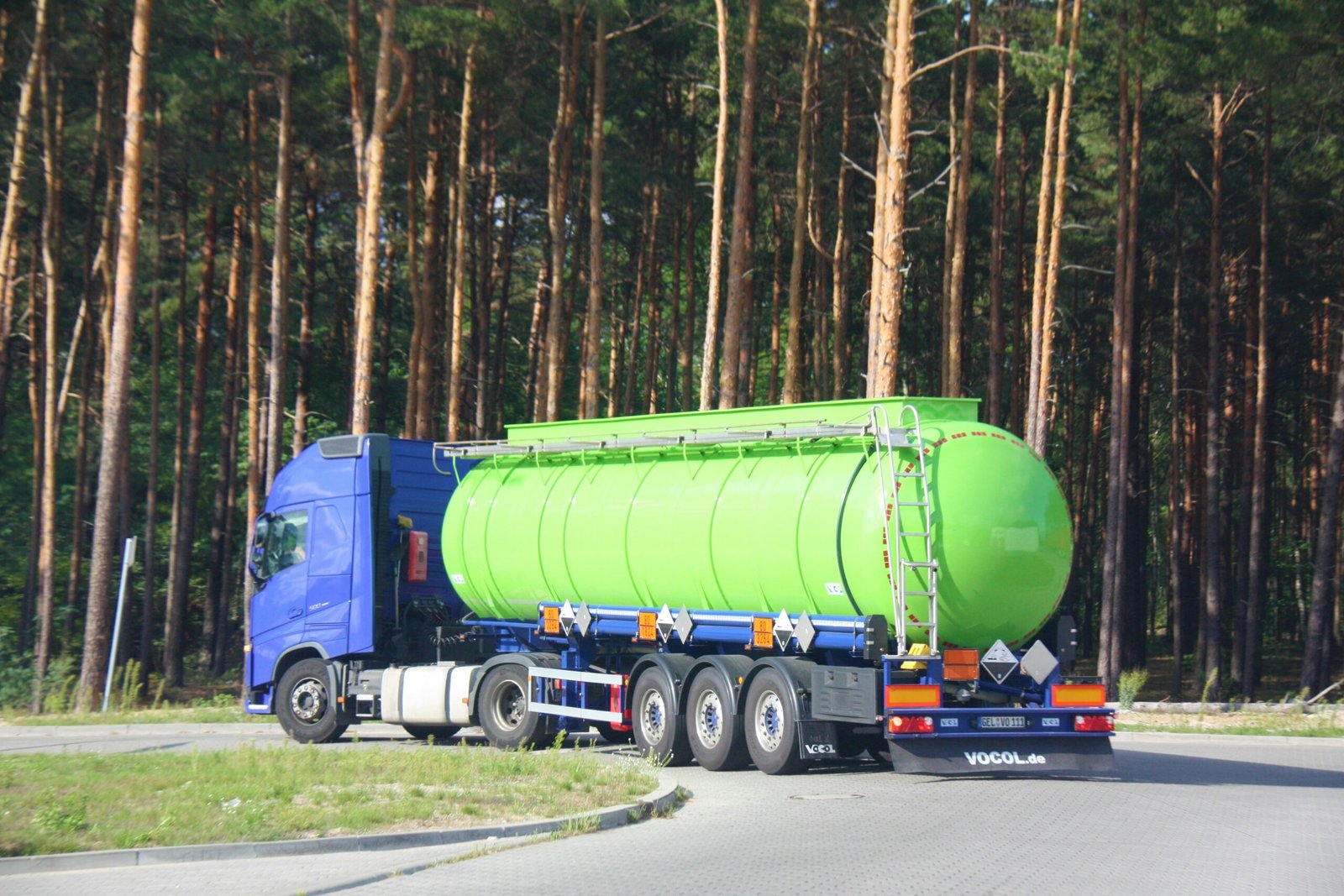
The friction at Gabd-Rimdan is not new. In June, the Gwadar Chamber of Commerce and Industry told Dawn that trade had effectively stopped at the crossing, warning that LPG tankers were stranded and that the resulting shortages could push up prices, while perishable exports such as rice and mangoes faced costly delays. Pakistan Customs publicly disputed the account, calling it “incorrect” and saying that border operations had continued without interruption — it cited 748 LPG goods declarations covering roughly 17,353 metric tons cleared through Gabd-Rimdan between June 1 and June 8 alone.
Customs linked the confusion to a revised clearance regime introduced under the Customs Rules, 2001, which came with a one-month transition period aimed at tightening documentation and curbing under-declaration and smuggling — a goal that echoes the Rs154 million smuggling crackdown GwadarPost reported along Gwadar’s coastal highway earlier this month, even though that case involved a different enforcement action. Officials pointed to a “Green Channel” meant to fast-track essentials like LPG and bitumen, and said revenue collection for April-June was higher than the same period a year earlier. Whether that same documentation transition is still generating the holdups that prompted this week’s meetings is one of the open questions the new action plan will need to answer.
The Deeper, Slower-Moving Problems
Behind the back-and-forth over this specific crossing sit older structural complaints that have dogged Gwadar for years. A Senate Standing Committee briefing in 2025 was told that security costs and poor connectivity remain the two biggest obstacles to the port’s development, with Gwadar’s port charges still running higher than regional competitors such as Jebel Ali in Dubai and little in the way of incentives on offer to shipping lines at the time. Separately, trucks leaving Karachi Port Trust for the Super Highway have faced delays of up to 24 hours, a bottleneck the ministry has pointed to as a drag on logistics costs across both ports, not just Gwadar.
Industry voices have pushed back on parts of that narrative. At a consultation in Karachi in May, former Gwadar Chamber of Commerce and Industry president Faisal Dashti argued that security concerns about the port have been overstated, pointing to the daily movement of LPG tankers and petroleum trucks out of Gwadar and noting that the Gwadar border generated an estimated Rs54.5 billion in government revenue last year. Participants at that meeting, including GPA officials, called for an integrated transport system — modern container terminals, feeder services and firmer government follow-through — as the real precondition for turning Gwadar into the regional hub officials have floated in talks on a sister-port arrangement with Oman’s Sohar Port.

What to Watch Next
Next Thursday’s session is where the actual test lies. Dawn’s report does not specify an exact date, but officials have described it as a working meeting meant to produce a concrete action plan rather than another round of statements. The practical markers worth tracking are straightforward: whether the plan addresses the specific documentation steps that triggered June’s LPG dispute, whether GPA and Customs publish any agreed timeline for clearance at Gabd-Rimdan, and whether cargo volumes through the crossing show a measurable change in the weeks that follow. None of the tariff cuts announced in May, or the trade corridor opened in April, will move the needle on Gwadar’s transit ambitions if trucks are still waiting at the same checkpoint that has been the subject of three separate sets of talks this year alone.
Sources
This report draws on reporting by Dawn on the October 7 meeting between GPA Chairman Noorul Haq Baloch and Customs Transit Trade Director General Irfan Javed, and on Dawn’s earlier coverage of the May 2026 tariff reductions at Gwadar Port. It also draws on Arab News/Arab News Pakistan’s reporting on Pakistan Customs’ response to the June 2026 Gabd-Rimdan trade-disruption reports, Arab News’ coverage of the April 2026 Gabd-Rimdan transit shipment to Uzbekistan, and Business Recorder’s reporting on the May 2026 Karachi industry consultations on Gwadar Port’s transport system, alongside GwadarPost’s own prior reporting on the Gwadar Free Zone, CPEC 2.0, the Gwadar-Sohar sister-port talks and recent customs enforcement along Gwadar’s coastal highway, linked throughout this article.